
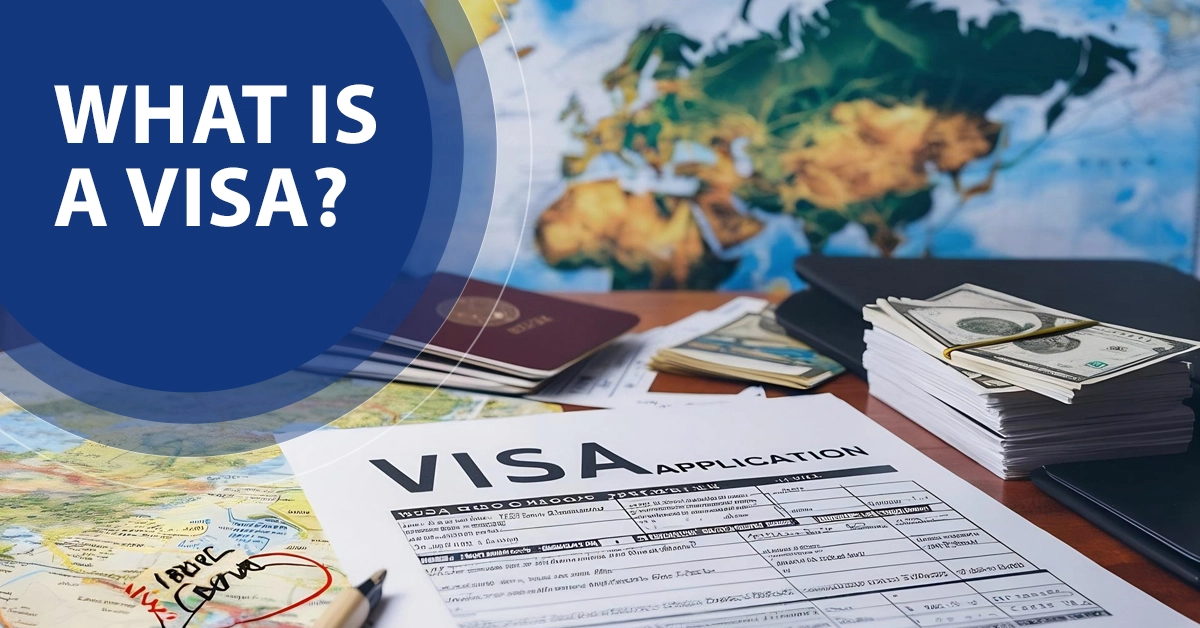
In today’s globalized world, a visa plays a vital role in international travel, allowing individuals to legally enter, stay in, or leave a foreign country. Whether you are planning to study abroad, visit as a tourist, work temporarily, or immigrate permanently, understanding the various types of visas and their purposes is essential. Different countries offer specific visa categories based on your nationality and the reason for travel. Navigating these visa types, ranging from tourist and student visas to work permits and permanent residence visas, requires a clear understanding of eligibility, documentation, and legal procedures. For students or study abroad admission process connecting with trusted education consultants lahore can simplify the visa process and ensure compliance with all requirements, making your journey smoother and stress-free.
Understanding Visas
Visas are issued by the government of the country a traveler wishes to enter. The requirements for obtaining a visa can vary significantly depending on the country, the applicant’s nationality, and the purpose of travel. Generally, the visa application process involves submitting various documents, including a passport, photographs, and proof of the purpose of travel, such as an invitation letter, proof of accommodation, or financial means.
Types of Visas
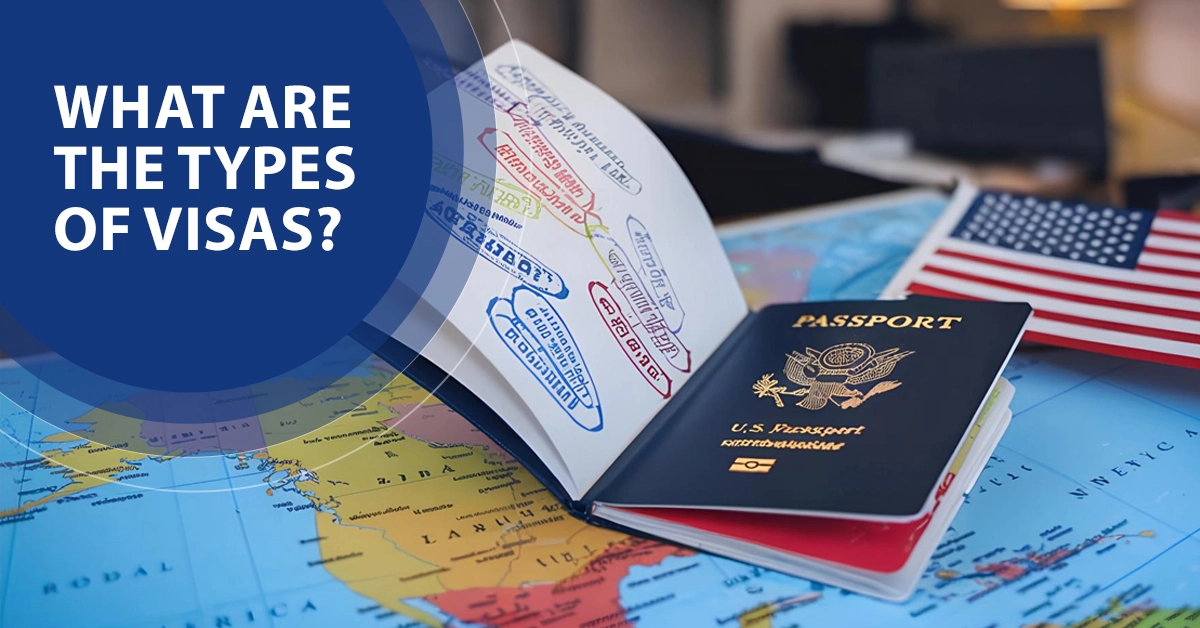
Visas can be broadly categorized into two main types: immigrant visas and non-immigrant visas. Each category encompasses various subtypes tailored to specific purposes.
Student Visa
A student visa is issued to international students who wish to study at recognised schools, colleges, universities, or vocational institutions abroad. This is the most important visa category for students planning higher education overseas. Most countries require students to receive an official admission offer before applying for a student visa.
Popular student visas include:
- UK Student Visa
- Canada Study Permit
- Australia Student Visa (Subclass 500)
- USA F-1 Student Visa
- Ireland Student Visa
- New Zealand Student Visa
- Germany Student Visa
Student visas may also allow eligible students to work part-time during their studies, depending on the immigration rules of the destination country.
If you’re planning to study abroad from Pakistan, working with experienced education consultants in Lahore can help simplify university admissions, documentation, and the student visa application process.
Tourist Visa
A tourist visa is designed for individuals travelling for holidays, sightseeing, or visiting family and friends. Tourist visas generally allow short-term stays and do not permit employment or full-time study.
People commonly apply for tourist visas to:
- Explore new destinations
- Visit relatives
- Take holidays
- Attend family events
- Experience cultural activities
Every country sets its own validity period and entry conditions for tourist visas.
Work Visa
A work visa allows foreign nationals to work legally in another country for an approved employer.
Most work visas require:
- A valid job offer
- Employer sponsorship (in many cases)
- Professional qualifications
- Relevant work experience
Work visas may be temporary or lead to permanent residency, depending on the country’s immigration policies.
Business Visa
A business visa allows travellers to visit another country for business-related purposes without joining that country’s labour market.
Business travellers commonly use this visa to:
- Attend meetings
- Participate in conferences
- Explore investment opportunities
- Meet clients
- Sign business agreements
- Visit exhibitions or trade fairs
Business visas do not usually allow long-term employment in the destination country.
Transit Visa
A transit visa is issued to travellers who pass through another country while travelling to their final destination. Some countries require a transit visa if your layover exceeds a certain number of hours or if you need to leave the airport during your stopover. Before booking international flights, always check whether your transit country requires a transit visa.
Working Holiday Visa
A Working Holiday Visa allows young travellers to work temporarily while exploring another country. This visa is designed to promote cultural exchange and give travellers the opportunity to earn money during their stay. Countries such as Australia, New Zealand, Canada, and several European nations offer working holiday programmes to eligible nationalities. However, availability depends on bilateral agreements between countries, and Pakistani passport holders may not qualify for all working holiday programmes.
Spouse or Family Visa
A Spouse Visa or Family Visa allows close family members to join their spouse or relatives living legally in another country. This visa is commonly issued to:
- Husband or wife
- Children
- Parents
- Dependent family members
Each country has different eligibility requirements, financial criteria, and sponsorship rules for family visas.
Refugee and Asylum Visa
A Refugee or Asylum Visa is intended for individuals who are fleeing war, persecution, violence, or situations that threaten their safety.
Applicants must meet strict international legal requirements before protection is granted. These visas are humanitarian in nature and are completely different from student, tourist, or work visas.
eVisa (Electronic Visa)
An eVisa is an electronic travel authorization that allows applicants to complete the visa process online without receiving a physical visa sticker in their passport.
Instead, the visa is digitally linked to your passport number.
The benefits of an eVisa include:
- Online application process
- Faster processing in many cases
- Reduced paperwork
- Convenient document submission
- Easy status tracking
Many countries now offer eVisa services for tourism and short-term travel. However, student visas often require additional documentation, biometrics, or interviews even if part of the application is completed online.
Immigrant Visa vs Non-Immigrant Visa
| Immigrant Visa | Non-Immigrant Visa |
| Permanent stay | Temporary stay |
| For settlement | For study, tourism, work, or business |
| May lead to permanent residency | Expires after the approved period |
| Longer application process | Usually faster processing |
Importance of Visa Compliance
It is crucial for visa holders to comply with the terms and conditions of their visas. Violating visa regulations can lead to serious consequences, including deportation, bans on re-entry, and difficulties in obtaining future visas.
Visa Application Process
The visa application process can vary depending on the type of visa and the country involved. Generally, the process includes the following steps:
- Determine Visa Type: Identify the appropriate visa category based on the purpose of travel.
- Complete Application Form: Fill out the required visa application form, which may vary by country.
- Gather Required Documents: Collect necessary documents, such as a valid passport, photographs, proof of financial means, and any additional documents specific to the visa type.
- Pay Fees: Most visa applications require a fee, which can vary based on the visa type and processing speed.
- Schedule an Interview: Some visa types require an interview at a consulate or embassy. Applicants may need to schedule this in advance.
- Attend the Interview: During the interview, applicants may be asked about their travel plans, financial situation, and ties to their home country.
- Receive Visa Decision: After processing, applicants will be notified of the decision. If approved, the visa will be affixed to the passport.
Why Choose StudyWES?
Studying abroad is a life-changing decision, and having the right guidance can make the journey much easier. At StudyWES, we help Pakistani students achieve their international education goals with expert support at every stage of the admission and visa process.
Our experienced advisers provide personalised guidance for students who wish to study in:
- United Kingdom (UK)
- Canada
- Australia
- United States (USA)
- Cyprus
- Europe and other leading study destinations
Our Services
The following student support services are given below:
- Free study abroad counselling
- University and course selection
- Admission application support
- Student visa guidance
- Partial Scholarship guidance
- Visa interview preparation
- Pre-departure support
Whether you’re applying for your first student visa or need expert advice on choosing the right university, our dedicated team is here to guide you through every step of the process.
If you’re searching for top 10 educational consultants Lahore or the best student consultant Lahore, StudyWES is committed to helping you turn your study abroad dreams into reality.
Frequently Asked Questions
What is the difference between a passport and a visa?
A passport is an official document that proves your identity and nationality, while a visa gives you permission to enter and stay in another country for a specific purpose.
Can I apply for multiple visas at the same time?
Yes, but it depends on the countries and their policies; some may reject your application if you hold another valid visa.
What is an e-visa?
An e-visa is a digital visa that you apply for and receive online, eliminating the need for a physical stamp or sticker.
Do visa-free countries mean no rules at all?
No, visa-free access often has limits on stay duration and purpose; you must still meet entry requirements like return tickets or proof of funds.
What happens if I overstay my visa?
Overstaying can lead to fines, deportation, or future visa denials depending on the country’s immigration laws.
Can a visa be extended once I’m in the country?
In some cases, yes. Certain visa types allow extensions if you apply before the visa expires and meet the criteria.
What is a Schengen visa?
A Schengen visa allows travel across 27 European countries without internal borders under the Schengen Agreement.
Are visa requirements the same for every nationality?
No, visa requirements vary greatly depending on your nationality and bilateral agreements between countries.
What is a visa sponsorship?
Visa sponsorship means an individual, company, or institution in the host country takes responsibility for your stay or purpose of visit.
Can I convert a tourist visa to a work visa after arrival?
No. Most countries require you to apply for a work visa from your home country or leave and reapply.